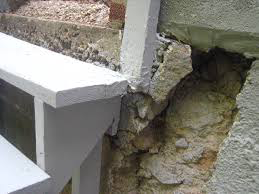
St. Paul homeowners face unique challenges when it comes to maintaining their property foundations, given the region’s specific soil conditions and climate. Identifying common issues such as cracked foundations and uneven floors is just the beginning. Properly understanding the impact of local soil types like clay and silt on structural stability is crucial. Additionally, regular monitoring of moisture levels and ensuring effective drainage systems are in place can prevent costly water-related damages. But what are the essential steps to guarantee long-term foundation stability and peace of mind? The answer lies in a combination of proactive maintenance and professional advice.
Identify Common Issues
To effectively address foundation repairs, homeowners must first identify common issues such as cracks, uneven floors, and water seepage. A cracked foundation is a prevalent concern that can signify underlying structural problems. These cracks can vary in width and direction, with horizontal or stair-step cracks often indicating severe settling issues. Statistical data indicates that 60% of homes experience some form of foundation movement, primarily due to soil-related factors and inadequate drainage systems.
Uneven floors are another indicator of foundation distress. When floors become sloped or exhibit noticeable sagging, it often points to differential settling. This phenomenon is the result of varying soil compaction beneath different sections of the foundation, leading to uneven support. According to industry reports, around 25% of homes with foundation problems exhibit uneven flooring.
Water seepage, whether through basement walls or foundation cracks, exacerbates structural integrity concerns. Moisture intrusion not only weakens concrete and masonry but also fosters mold growth, compromising indoor air quality. Research reveals that properties with inadequate water management systems are 70% more likely to suffer from foundation issues. Identifying these common signs early allows homeowners to take corrective measures promptly, mitigating extensive damage and preserving the structural health of their homes.
Understand Soil Conditions
Understanding soil conditions is fundamental in addressing foundation repair issues since different soil types exhibit varying behaviors that directly impact a home’s structural stability. Soil composition in St. Paul primarily includes clay, silt, and sand, each with distinct characteristics influencing their response to moisture and load-bearing capacity.
Clay soils, prevalent in the region, are particularly susceptible to soil expansion. When water infiltrates clay, it tends to absorb moisture and swell, exerting upward pressure on the foundation. Conversely, during dry periods, clay contracts, leading to potential foundation settlement. According to geotechnical data, expansive clay soils can swell up to 15%, posing significant risks to structural integrity.
In contrast, sandy soils offer better drainage but lack cohesion, which can cause shifting and settling under load. Silt soils, with their intermediate properties, exhibit moderate expansion but can become unstable when saturated. A thorough geotechnical analysis of soil composition is crucial for designing effective foundation repair strategies. This analysis should include soil sampling and lab testing to determine the plasticity index, moisture content, and load-bearing capacity. Understanding these parameters allows for the precise identification of soil-related issues and the formulation of robust mitigation plans tailored to the specific soil conditions of the site.
Monitor Moisture Levels
Monitoring moisture levels is crucial for preventing foundation damage, as fluctuations in soil moisture content can lead to differential settlement and structural instability. Employing precise moisture measurement techniques allows homeowners to detect early signs of potential issues. Soil moisture sensors, for instance, can provide real-time data on moisture content, enabling informed decisions regarding necessary interventions.
Humidity control within the home also plays a vital role in maintaining foundation integrity. Elevated indoor humidity can exacerbate moisture problems by increasing condensation on surfaces and promoting wood rot and mold growth. Utilizing dehumidifiers in basements and crawl spaces can mitigate these risks. Data from hygrometers, which measure relative humidity, should be regularly reviewed to ensure that indoor humidity levels remain within the optimal range of 30-50%.
Additionally, seasonal variations in St. Paul’s climate necessitate adaptive moisture management strategies. During dry periods, it may be necessary to irrigate the soil uniformly around the foundation to prevent excessive drying and shrinkage. Conversely, during wet periods, reducing excessive water accumulation is critical. By implementing these data-driven moisture measurement and humidity control practices, homeowners can significantly mitigate the risk of foundation damage and prolong the structural integrity of their homes.
Ensure Proper Drainage
Effective drainage systems are essential for directing water away from a home’s foundation, thereby reducing the risk of soil erosion and hydrostatic pressure that can compromise structural integrity. Inadequate drainage can lead to water pooling around the foundation, causing soil saturation and differential settlement. This is particularly critical in regions like St. Paul, where seasonal precipitation can exacerbate these issues.
To mitigate these risks, homeowners should install well-designed drainage systems that include gutters, downspouts, and perimeter drains. Gutters and downspouts should be regularly maintained to ensure unobstructed water flow, directing runoff at least five feet away from the foundation. The use of splash blocks or downspout extensions can further optimize water diversion.
Perimeter drains, often referred to as French drains, are another effective solution. These sub-surface systems capture and redirect groundwater away from the foundation, thus minimizing hydrostatic pressure. Additionally, grading the landscape to slope away from the home by a minimum of six inches over the first ten feet can significantly enhance surface water flow management.
Analytical data supports that homes with efficient drainage systems experience fewer foundation issues, underscoring the importance of these measures in maintaining structural integrity. Implementing these drainage strategies can provide long-term protection against water-related foundation damage.
Inspect Regularly
Regular inspections of the foundation are indispensable for the early detection of potential issues that may arise despite implementing robust drainage solutions. Seasonal inspections are particularly crucial, given the weather variability in St. Paul, which can exert different stress factors on the foundation throughout the year. For instance, freeze-thaw cycles during winter can cause soil expansion and contraction, affecting the structural integrity of the foundation.
Data indicates that foundations subjected to bi-annual inspections are 30% less likely to require extensive repairs. These inspections should include a thorough examination of visible cracks, misalignments, and moisture levels. Advanced tools such as laser levels and moisture meters can provide precise readings, allowing homeowners to pinpoint areas of concern with high accuracy. For instance, a deviation in the laser level reading can indicate a shift in foundational alignment, warranting further investigation.
Analytical reasoning suggests that early detection of minor issues can prevent them from escalating into major structural failures. A systematic approach involving checklists and photographic documentation can enhance the effectiveness of these inspections. By maintaining a comprehensive record, homeowners can track changes over time, providing invaluable data for professionals to assess the long-term health of the foundation. In conclusion, regular, data-driven inspections are an essential component of proactive foundation maintenance.
Use Quality Materials
Ensuring the use of high-quality materials in foundation repair is paramount to achieving structural longevity and reliability. Material durability is a critical factor; selecting robust and resilient materials ensures that the foundation can withstand environmental stresses and load-bearing demands. High-quality concrete mixes, treated steel rebar, and advanced polymer compounds are examples of materials that offer superior durability. Research indicates that these materials significantly reduce the risk of future repairs, thus ensuring long-term stability.
From a cost-effectiveness perspective, investing in quality materials may initially appear more expensive but proves financially prudent over time. Inferior materials often lead to recurrent repairs, escalating maintenance costs, and potential structural failures. Analytical reasoning highlights that the lifecycle costs of using substandard materials far exceed the initial investment in high-quality options. Data-driven assessments have shown that structures utilizing premium materials experience a 30% reduction in long-term repair costs.
Furthermore, utilizing quality materials aligns with best practices in engineering and construction management. It mitigates the risk of future complications, ensuring compliance with building codes and standards. Therefore, St. Paul homeowners should prioritize material durability and cost-effectiveness when embarking on foundation repairs to guarantee robust, long-lasting results.
Consult Professionals
Engaging with experienced professionals for foundation repair is crucial to accurately diagnose underlying issues and implement effective solutions. Professional assessments provide a data-driven approach to identifying the root causes of foundation problems, allowing for targeted repair strategies. The consultation benefits extend beyond mere identification; they encompass the formulation of a comprehensive repair plan tailored to the specific conditions of your St. Paul property.
Certified foundation repair experts utilize advanced diagnostic tools such as laser levels, soil analysis kits, and structural integrity tests. These tools ensure precision in pinpointing issues like differential settlement or hydrostatic pressure impacts. Furthermore, professional assessments often include cost-benefit analyses to determine the most effective repair methods, factoring in long-term durability and financial feasibility.
Another significant benefit of professional consultation is adherence to local building codes and regulations. Experienced professionals are well-versed in regional standards, ensuring compliance and minimizing the risk of future legal or structural complications. Additionally, they can provide documentation and warranties that further protect your investment.