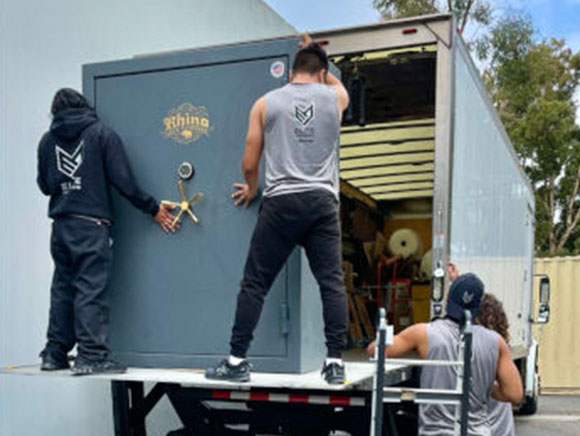
Moving a business can be a major undertaking, and packing is a critical part of ensuring a smooth transition. Whether you’re moving to a new office or relocating your entire operation, effective packing strategies can make all the difference. Here’s a comprehensive guide to packing your equipment and inventory with care and efficiency.
Assess Your Packing Needs
Inventory Assessment
Before you start packing, take stock of what needs to be moved. Create a detailed inventory of all your items—this includes everything from office furniture to technology equipment. Understanding what you have will help you determine the best packing materials and methods.
Categorization
Group items by type, size, and fragility. This will help you decide how to pack each category and ensure that items are grouped for easy unpacking. For example, keep all electronic equipment in one group and all office supplies in another.
Special Requirements
Identify items that need special handling. This might include sensitive equipment, high-value items, or items that require disassembly. Planning for these special requirements in advance will help prevent any issues during the move.
Choose the Right Packing Materials
Boxes and Crates
Select the appropriate boxes and crates for your items. Standard cardboard boxes are great for general office supplies, while plastic crates might be better for heavier items. Custom-sized boxes can be useful for items that don’t fit standard sizes.
Padding Materials
Protect your items with the right padding materials. Bubble wrap, foam peanuts, and packing paper can all help safeguard your equipment and inventory. For fragile items, extra padding is essential to prevent breakage.
Specialty Materials
For sensitive equipment, consider using anti-static materials or heavy-duty wrapping. This extra layer of protection can prevent damage from static electricity or physical impact during the move.
Develop a Packing Plan
Timeline
Create a packing timeline to keep everything on track. Break down the packing process into phases and set deadlines to ensure you’re not rushed at the last minute. Starting early will help you manage the move more effectively.
Team Coordination
If you have a team helping with the move, assign specific tasks to each person. Clear roles and responsibilities will streamline the packing process. Alternatively, consider hiring professional packers if your move involves a large volume of items.
Labeling System
Implement a labeling system to keep track of packed items. Clearly label each box with its contents and the room or area it’s destined for. This will make unpacking much easier and help you find important items quickly.
Packing Techniques for Different Items
Electronics and IT Equipment
When packing electronics, start by removing batteries and cables. If possible, use the original packaging, as it’s designed to protect these items. Wrap screens and other sensitive components with bubble wrap to prevent damage.
Furniture
Disassemble furniture when possible to save space and reduce the risk of damage. Wrap pieces with furniture pads or blankets to protect them during transit. Secure any loose parts and hardware in separate bags and label them clearly.
Inventory and Stock
For inventory and stock, use sturdy boxes and pack items securely with adequate padding. Label each box with its contents and destination to ensure that everything is organized and easy to find upon arrival.
Fragile Items
Fragile items require extra care. Use ample padding and secure boxing to protect them during the move. Mark these boxes as “Fragile” and handle them with care to avoid breakage.
Considerations for Sensitive and High-Value Items
Insurance
For high-value items, consider arranging insurance coverage. This will provide financial protection in case of loss or damage during the move. Ensure that your insurance covers the full value of your items.
Temperature and Humidity Control
Some items, such as certain types of equipment or inventory, may require specific temperature or humidity conditions. Make arrangements to maintain these conditions during the move to prevent any damage.
Security Measures
High-value items should be secured during transit. If possible, keep these items in a separate, secure area of the moving truck. Consider using additional security measures, such as tracking devices, to ensure their safety.
Handling Hazardous Materials
Identification
Identify any hazardous materials you need to move. This includes items like chemicals, cleaning supplies, or batteries. Properly labeling these items will help ensure they’re handled safely.
Special Packaging
Use appropriate containers for hazardous materials and ensure they are securely packed. Follow any specific packaging requirements to comply with regulations and avoid accidents.
Compliance
Adhere to regulations for transporting hazardous materials. This includes following any local, state, or federal guidelines to ensure that your move is safe and compliant.
Packing Tips to Maximize Efficiency
Space Utilization
Pack boxes efficiently to make the most of available space. This helps reduce the number of boxes needed and makes the move more organized. Avoid overpacking boxes to prevent them from breaking.
Minimize Breakage
To minimize breakage, use adequate padding and ensure that items are securely packed. Double-check that fragile items are well-protected and avoid placing heavy items on top of fragile ones.
Accessibility
Keep essential items accessible and easy to find. Pack a separate box with items you’ll need immediately upon arrival, such as important documents or basic office supplies. This will help you get up and running quickly in your new space.
Conclusion
Packing for a commercial move doesn’t have to be overwhelming. By assessing your needs, choosing the right materials, and following these packing strategies, you can protect your equipment and inventory while ensuring a smooth relocation.
Start by creating a detailed inventory and packing plan, then use appropriate materials and techniques for each item. Don’t forget to account for sensitive and high-value items, and always handle hazardous materials with care.
Ready to make your move as seamless as possible? Implement these tips, and if you need professional assistance, reach out to a reliable moving company. For more insights and expert advice, explore our other blog posts on commercial moving.
Read more: https://elitemoversca.com/commercial-movers-in-santa-barbara-ca/